[Punch-kun] Why Is This Baby Monkey Clinging to Punch? Their Bond Looks So Special!
SEO Meta Description: Why is this adorable baby monkey clinging so tightly to Punch-kun? Discover their heartwarming bond, sweet cuddles, and the remarkable journey of Japan’s beloved little macaque at Ichikawa Zoo.
OMG! This Baby Monkey Won’t Let Go of Punch-kun!
STOP EVERYTHING, because Punch-kun and an adorable little monkey are creating one of the sweetest moments on Monkey Mountain!
Japan’s beloved young macaque is back with another heartwarming story that could melt even the coldest heart.
But this time, there are no dramatic chases, mischievous tricks, or exciting climbing competitions.
Instead, the attention turns to an incredibly touching moment of closeness between two little monkeys.
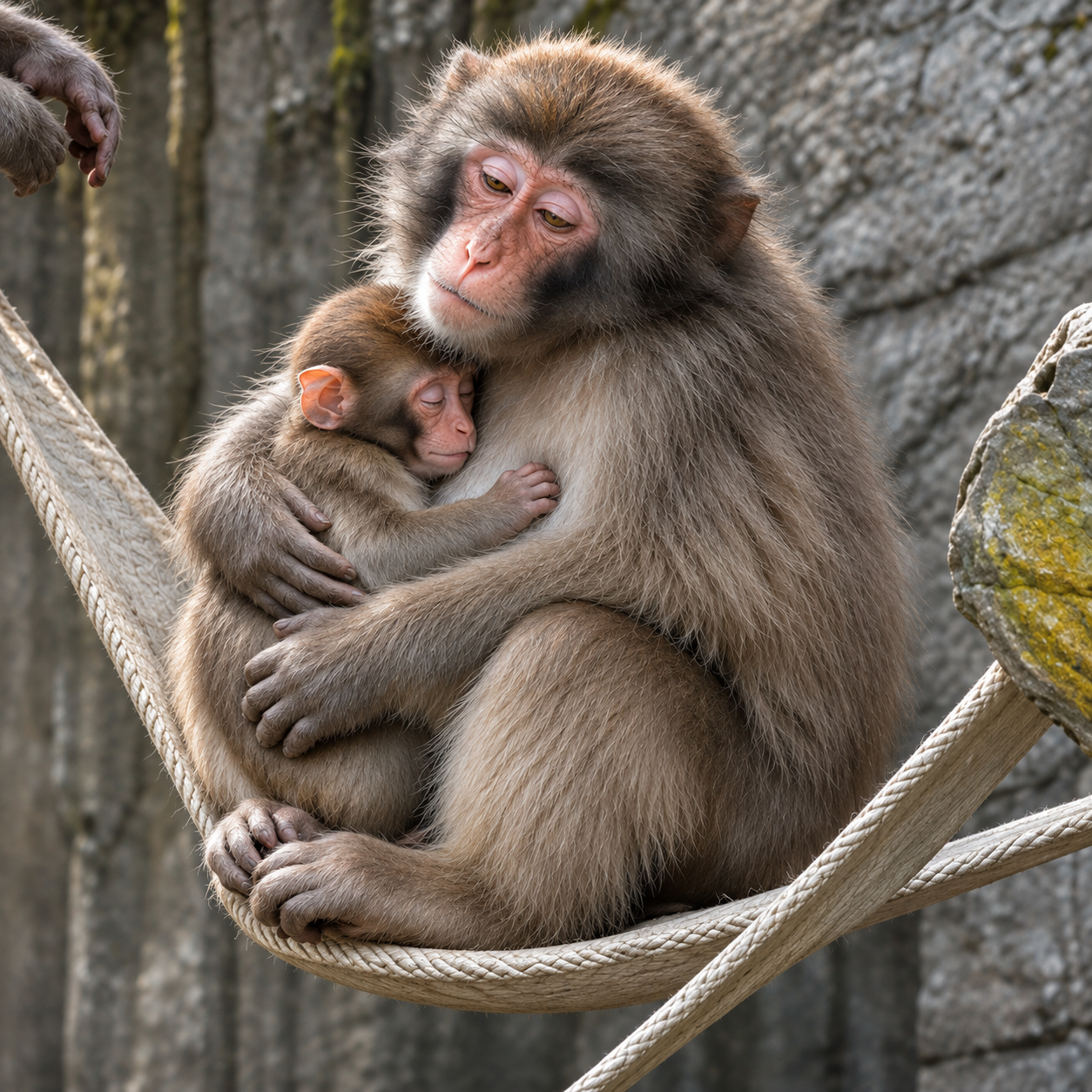
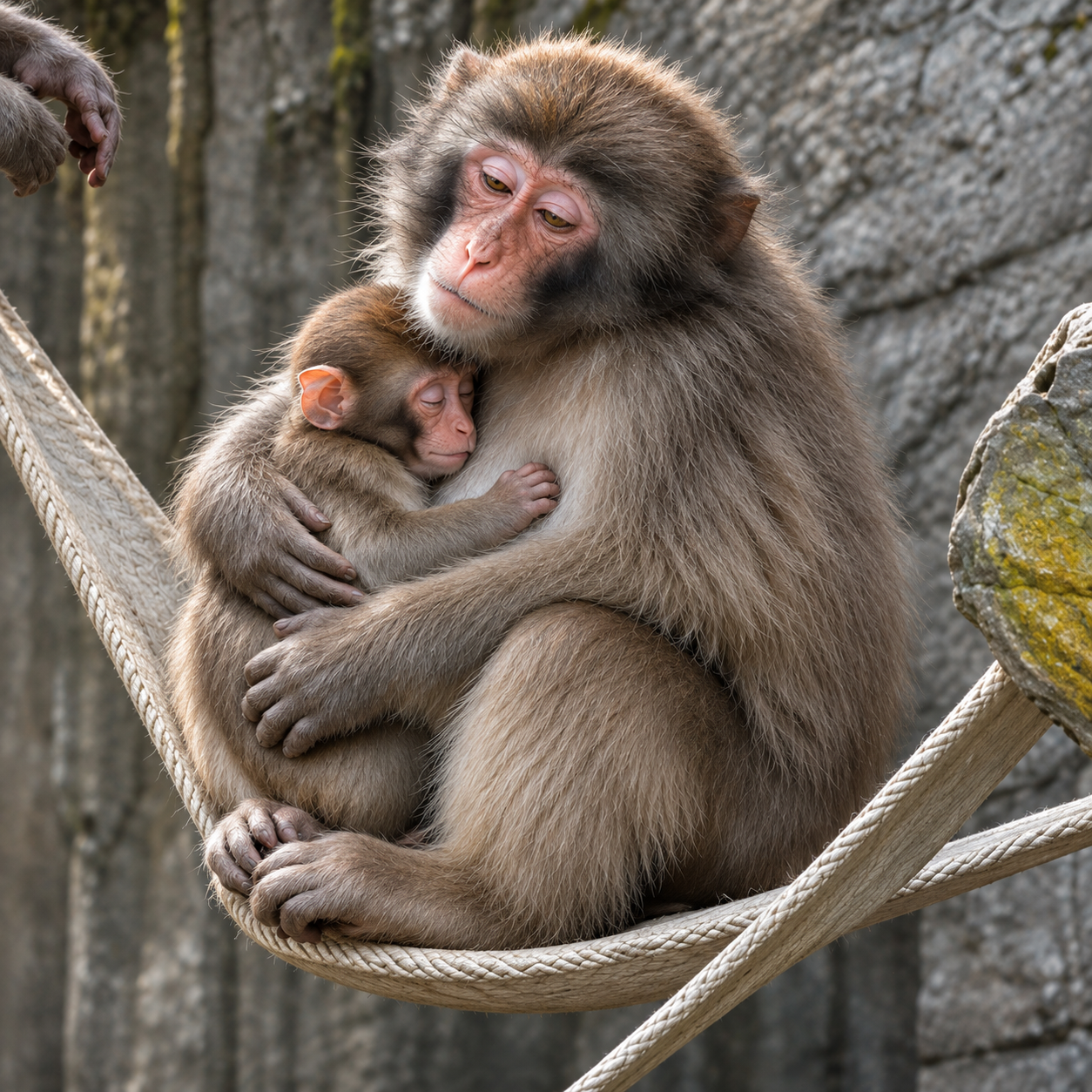
A tiny baby macaque nestles against a larger companion, wrapping its little arms tightly around the soft fur.
Its delicate face rests close to the other monkey as though it has discovered the safest place in the world.
For human viewers, the scene resembles a child hugging a beloved older sibling.
The little monkey appears perfectly content to remain close.
And the most adorable detail is how naturally the two seem to fit together.
Could this be one of Punch-kun’s sweetest friendship moments yet?
Why is the little monkey so interested in staying close?
And could their gentle interaction reveal something meaningful about Japanese macaque relationships?
The answer becomes even more touching when we remember Punch-kun’s extraordinary journey.
Meet Punch-kun, the Baby Monkey Who Captured Millions of Hearts
Punch-kun is a Japanese macaque born in July 2025 at Ichikawa City Zoo in Chiba Prefecture, Japan.
His unusual early-life circumstances transformed him into an international internet sensation.
Unlike most newborn Japanese macaques, Punch could not depend on normal maternal care.
Dedicated zookeepers stepped in to provide essential nutrition, protection, and developmental support.
During his earliest months, Punch became attached to a stuffed orangutan.
The soft companion gave his tiny hands something familiar to hold.
Videos showing him embracing the oversized toy quickly attracted worldwide attention.
Millions of animal lovers began following his journey and hoping he would eventually develop friendships.
As Punch matured, he gradually became more comfortable interacting with other macaques.
His continuing adventures now offer inspiring examples of companionship, exploration, and growing independence.
Look at That Adorable Little Hug!
One of the most charming aspects of this encounter is the little monkey’s tight embrace.
Its small fingers curl into the soft fur of a nearby companion.
The youngster’s tiny body presses closely against the larger monkey.
For viewers, the gesture resembles an affectionate hug between family members.
The peaceful surroundings make the interaction feel especially intimate.
The little monkey seems comfortable maintaining close physical contact.
Its sweet expression adds another layer of tenderness.
However, clinging is a natural behavior among young Japanese macaques.
The movement does not automatically establish a biological family relationship or a specific emotional intention.
Even so, the sight of such a tiny animal holding another monkey close is absolutely irresistible.
Why Is the Baby Monkey Clinging So Tightly?
Young Japanese macaques naturally develop a strong ability to cling.
During their earliest weeks, infants depend heavily on close physical contact with their mothers.
Their little hands and feet help them hold securely while being carried.
This behavior provides important physical support during early development.
As youngsters grow, they gradually become more adventurous.
They begin climbing, exploring, and interacting with familiar companions.
However, physical contact remains part of ordinary macaque social life.
A youngster may cling during movement, play, or peaceful resting.
The precise meaning depends on its age, relationships, and surrounding circumstances.
For Punch-kun’s fans, the behavior creates an especially sweet story about closeness and companionship.
Is Punch-kun Becoming the Sweetest Big Brother?
Punch-kun’s growing social world has inspired many affectionate nicknames.
Some supporters lovingly describe him as an older brother to younger monkeys.
Others imagine him as a patient babysitter surrounded by energetic little companions.
The idea becomes especially charming when a youngster clings closely to another macaque.
For human viewers, it resembles a little sibling refusing to let go of a trusted brother.
Perhaps our imaginary big brother has become the most popular cuddling partner on Monkey Mountain!
Of course, this is a playful interpretation rather than a confirmed family relationship.
Japanese macaques maintain complicated social bonds that cannot be identified through appearance alone.
Nevertheless, the big-brother theme captures the warmth many viewers experience when watching such interactions.
From Hugging a Stuffed Orangutan to Real Monkey Companionship
Punch-kun’s early experiences were very different from his increasingly social life today.
During infancy, his stuffed orangutan became an unforgettable symbol of reassurance.
Without normal maternal care, he required specialized support from professional caregivers.
His caregivers gradually introduced opportunities for interaction with other Japanese macaques.
This process required patience because macaques live within complex social groups.
Youngsters must learn how their companions communicate through movement, posture, and facial expressions.
As Punch matured, grooming and playful encounters became more familiar experiences.
Peaceful physical contact also became part of his expanding social world.
For longtime supporters, these ordinary interactions carry tremendous emotional meaning.
The little monkey who once depended heavily on a stuffed companion has gained experience with real macaque relationships.
The Stuffed Orangutan That Started Everything
Punch-kun’s stuffed orangutan became one of the most recognizable symbols of his remarkable journey.
His caregivers introduced suitable objects to support his natural clinging behavior.
Japanese macaque infants normally cling to their mothers during early development.
Because Punch lacked ordinary maternal contact, he needed an alternative object to hold.
The soft orangutan provided a convenient surface for his tiny hands.
Its long limbs and fluffy body made the toy particularly recognizable.
Viewers were deeply moved by footage of Punch carrying the oversized companion.
The little macaque often appeared much smaller than the toy itself.
However, his caregivers always intended to support eventual independence and normal social development.
His growing participation in troop life remains more important than the continued presence of any stuffed companion.
January 19, 2026: Punch-kun Begins a New Chapter
Punch-kun began living independently within the macaque troop on January 19, 2026.
This important milestone followed months of specialized care and gradual preparation.
His caregivers had introduced opportunities for interaction with other monkeys before the transition.
They carefully observed how Punch responded to familiar companions.
The goal was to help him participate in ordinary Japanese macaque society.
However, joining the troop did not mean every interaction would become immediately comfortable.
Japanese macaques have established social hierarchies and complicated relationships.
Youngsters must gradually learn how to recognize different social signals.
For Punch-kun, becoming familiar with these interactions remained an important developmental challenge.
His continued participation in troop activities is an encouraging part of his remarkable story.
Why Physical Contact Matters to Baby Monkeys
Physical contact plays an important role in the development of young Japanese macaques.
Newborn infants depend on their mothers for nourishment, transport, and support.
Clinging helps them remain close while their mothers move through the environment.
As they grow older, youngsters develop greater coordination and independence.
They also gain opportunities to interact with other members of the group.
These experiences help them become familiar with ordinary macaque social behavior.
Grooming, resting, and playful climbing can all involve physical contact.
However, different individuals have different preferences about proximity.
For young macaques, recognizing these preferences is part of normal social development.
Is the Baby Monkey Feeling Safe With Punch?
A youngster clinging closely to another macaque can create an impression of comfort.
For human viewers, the gesture resembles a child seeking reassurance.
However, one interaction cannot establish the precise emotional state of either animal.
Young monkeys may maintain contact for several different reasons.
Some encounters involve exploration or movement.
Others may reflect familiarity with a particular companion.
Repeated peaceful interactions can provide stronger evidence about social relationships.
For Punch-kun, opportunities for close contact are especially meaningful because of his unusual upbringing.
His developing social world offers plenty of heartwarming moments without requiring human-style explanations.
The Sweetest Little Monkey Friendship on Monkey Mountain
Japanese macaques are highly social animals with fascinating relationships.
Their groups contain individuals of different ages and social positions.
Some companions develop familiarity through repeated grooming and peaceful contact.
Others interact during energetic play or feeding activities.
Youngsters gradually learn which individuals tolerate different kinds of contact.
A monkey remaining near another may reflect social familiarity.
However, physical proximity alone cannot establish a permanent friendship.
The complete history of their interactions provides a more reliable perspective.
For Punch-kun’s supporters, the possibility of growing companionship is particularly touching.
And even an ordinary cuddle can become a memorable part of his story.
Why Japanese Macaques Groom Their Companions
Grooming is one of the most recognizable behaviors among Japanese macaques.
It involves carefully examining another individual’s fur using the hands and sometimes the mouth.
This activity helps remove dirt, loose material, and certain external parasites.
However, grooming also contributes to the maintenance of social relationships.
Familiar companions may spend considerable time grooming one another during peaceful periods.
The animal receiving attention may sit or lie in a comfortable position.
Youngsters gradually become familiar with grooming through ordinary social experience.
For Punch-kun, opportunities for peaceful contact have been an important part of his developing independence.
And for viewers, these gentle encounters can look wonderfully affectionate.
The Little Monkey Who Found the Perfect Cuddle Spot
Sometimes the most adorable animal stories begin with something incredibly simple.
A youngster discovers a comfortable place beside another monkey.
Its small hands hold onto the surrounding fur.
The two remain close while the rest of the troop continues its activities.
For viewers, the scene resembles a child who has found the perfect place to relax.
Perhaps our imaginary little passenger has decided that Punch is the best pillow on Monkey Mountain!
Maybe the youngster simply enjoys remaining close to a familiar companion.
These possibilities make the encounter entertaining without assigning a specific intention.
And the sweetness of the moment needs no dramatic explanation.
Why Punch-kun’s Growing Friendships Touch So Many Hearts
Punch-kun originally became famous because his difficult beginning inspired tremendous sympathy.
Millions of people remember seeing him hold tightly to his stuffed orangutan.
Many hoped he would eventually become comfortable living among other macaques.
His caregivers patiently encouraged appropriate opportunities for social development.
As Punch matured, encouraging encounters brought renewed optimism.
Reports of grooming and peaceful social contact became important milestones.
Playful adventures also introduced humor into an initially emotional story.
Now, close interactions with younger companions offer another cheerful perspective.
For longtime supporters, these moments symbolize the possibilities of continued social growth.
His remarkable development makes ordinary companionship feel especially precious.
Could This Baby Monkey Be Punch-kun’s Best Friend?
The idea of a tiny monkey becoming Punch-kun’s closest companion is wonderfully appealing.
However, macaque friendships develop through repeated interactions rather than one memorable encounter.
Researchers examine grooming, proximity, and social preferences over time.
Some individuals develop strong familiarity with particular group members.
Other relationships change as animals mature.
A single cuddle cannot confirm a permanent friendship.
Similarly, the youngster’s biological relationship to Punch cannot be established from appearance alone.
Ichikawa City Zoo has also asked the public to avoid relying on unverified identities for other macaques.
For supporters, respecting this uncertainty is part of appreciating the animals responsibly.
Why Baby Monkeys Love Climbing and Cuddling
Young Japanese macaques spend considerable energy developing physical coordination.
Their daily activities include climbing, running, jumping, and exploring interesting objects.
These movements help strengthen muscles and improve balance.
Climbing onto familiar companions can occur during ordinary social interactions.
A youngster may use nearby fur for physical support.
Some encounters are energetic while others remain peaceful.
Different individuals may tolerate contact in different ways.
For Punch-kun, experiencing these interactions contributes to his growing familiarity with troop life.
And for viewers, the mixture of curiosity and cuddling creates irresistible entertainment.
The Dedicated Zookeepers Behind Punch-kun’s Journey
Punch-kun’s development has been supported by professional caregivers at Ichikawa City Zoo.
Hand-rearing a Japanese macaque requires specialized knowledge and consistent attention.
Staff must consider nutrition, physical health, and behavioral development.
They also prepare young animals for appropriate interaction with their own species.
For Punch-kun, gradual integration into the troop became a central priority.
His caregivers introduced familiar companions and carefully observed his responses.
Professional staff continue monitoring the macaques and managing their environment.
The zoo has emphasized that animal welfare remains more important than viral popularity.
Punch-kun’s growing independence reflects the value of patient and responsible animal care.
Sometimes the Sweetest Moments Are the Quietest
Punch-kun’s adventures frequently involve energetic movement and mischievous little companions.
His playful encounters have inspired countless entertaining stories.
But peaceful moments reveal another beautiful side of Japanese macaque life.
Young monkeys also spend time resting and remaining close to familiar individuals.
These encounters may appear ordinary compared with exciting climbing adventures.
Nevertheless, they provide valuable insight into natural social behavior.
For Punch-kun’s supporters, a quiet cuddle can feel especially meaningful.
His unusual upbringing makes peaceful companionship an important part of his continuing story.
Sometimes the most beautiful moment is simply two little monkeys enjoying each other’s company.
Why This Punch-kun Video Is Worth Watching
The cuddling theme offers a heartwarming perspective on ordinary Japanese macaque behavior.
Its emotional appeal comes from the closeness between a small youngster and another companion.
Viewers naturally want to discover how the encounter develops.
Will the little monkey continue clinging tightly?
Could the peaceful contact lead to grooming or playful activity?
Or will both animals simply enjoy a quiet moment together?
These questions make the complete recording worth exploring.
Watching the full sequence provides more context than a single memorable scene.
For longtime supporters, Punch-kun’s remarkable development adds emotional meaning to everyday encounters.
And new viewers can discover why this young macaque became an international sensation.
Frequently Asked Questions About Punch-kun and the Baby Monkey
Who Is Punch-kun?
Punch-kun is a Japanese macaque born in July 2025 at Ichikawa City Zoo in Japan.
He became internationally famous after being hand-reared and developing an attachment to a stuffed orangutan.
Why Is the Baby Monkey Clinging So Tightly?
Young Japanese macaques naturally use clinging during movement and social contact.
The precise motivation behind an individual encounter depends on the surrounding behavior.
Is Punch-kun Really the Baby Monkey’s Older Brother?
The older-brother description is an affectionate interpretation of the interaction.
A biological sibling relationship has not been established from this encounter.
Does Clinging Mean the Baby Monkey Trusts Punch?
Physical contact may reflect familiarity or tolerance between companions.
However, one interaction cannot establish the precise nature of their relationship.
Do Japanese Macaques Hug Each Other?
Japanese macaques sometimes engage in close physical contact.
Clinging, embracing, grooming, and resting nearby can all occur during ordinary social behavior.
Why Did Punch-kun Have a Stuffed Orangutan?
Punch required specialized care because he could not depend on normal maternal contact.
The toy provided something familiar he could hold during early development.
Is Punch-kun Becoming More Independent?
Punch has made encouraging progress through increasing participation in ordinary troop activities.
His expanding social experiences represent an important change from his vulnerable infancy.
Where Does Punch-kun Live?
Punch-kun lives at Ichikawa City Zoo in Chiba Prefecture, Japan.
His continuing adventures attract attention from animal lovers around the world.
From Clinging to a Stuffed Toy to Sharing Precious Monkey Moments
Punch-kun has come an extraordinary distance since his earliest days as a vulnerable baby macaque.
The youngster who once depended heavily on a stuffed orangutan is developing a richer social world.
His cuddling-themed adventure offers another touching perspective on that transformation.
The little monkey’s tight embrace creates an irresistible impression of affection.
For human viewers, their peaceful closeness resembles a beautiful moment between family members.
However, the animals’ natural behavior remains meaningful without assigning unverified relationships.
For longtime supporters, every opportunity for healthy companionship is worth appreciating.
Punch-kun’s remarkable journey reminds us that development involves patience, learning, and repeated social experiences.
Not every heartwarming moment requires dramatic excitement or unexpected surprises.
Sometimes the sweetest story is simply about a little monkey finding someone comfortable to hold.
And after everything Punch-kun has experienced, those ordinary moments feel especially precious.
Watch the Full Video: Why Is This Baby Monkey Clinging to Punch-kun?
What makes the little monkey so interested in holding onto its companion?
Will the adorable cuddle continue, or will another playful adventure begin?
And could this be one of the sweetest moments in Punch-kun’s remarkable journey?
Discover the complete encounter and enjoy another heartwarming chapter in the life of Japan’s beloved little macaque.